
Juego Studios Unifies 2D, 3D, and In-Engine Game Art Under a Single Production Pipeline

Juego Studio Private Limited Logo
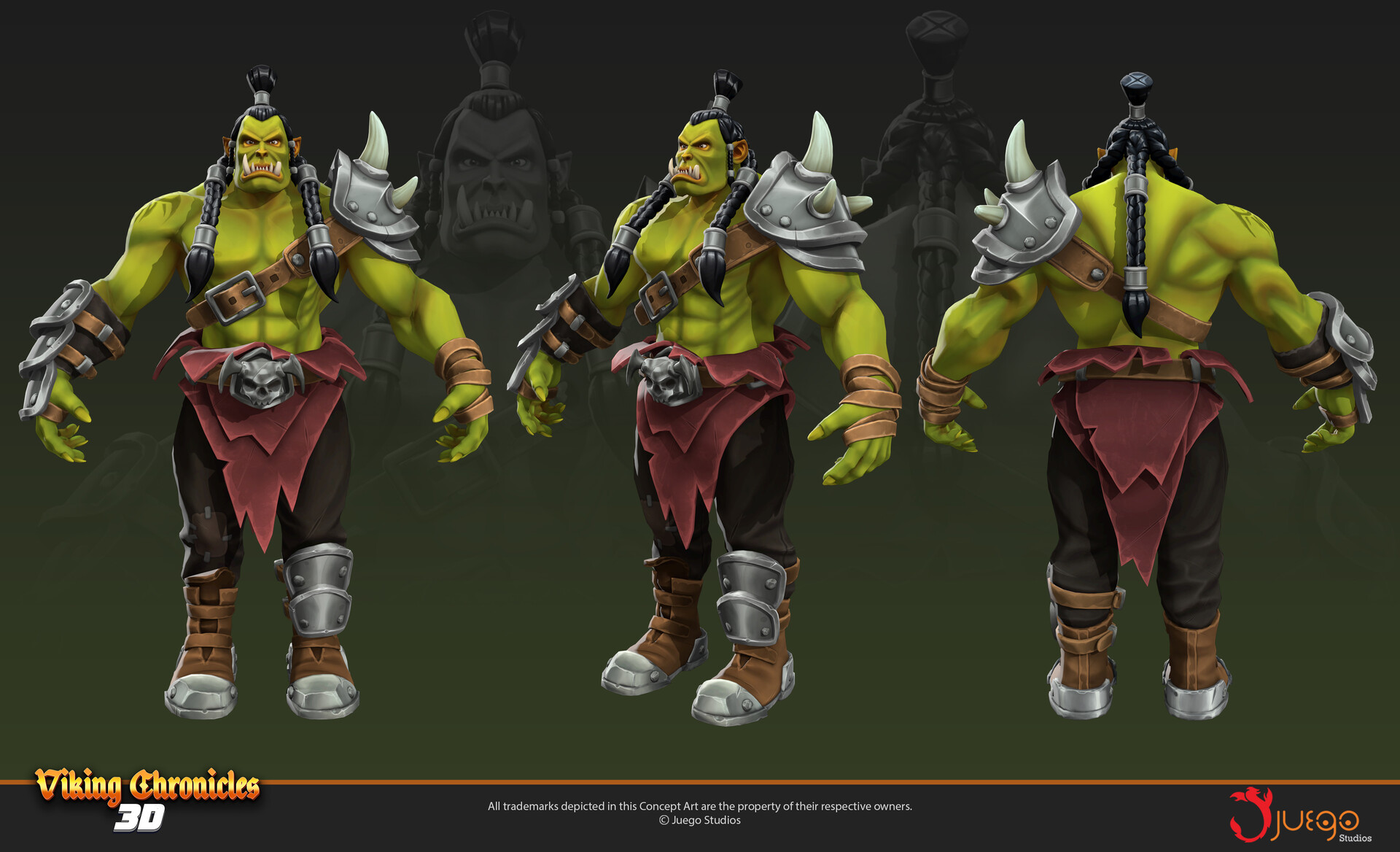
Viking chronicles - Game Art - Juego Studios
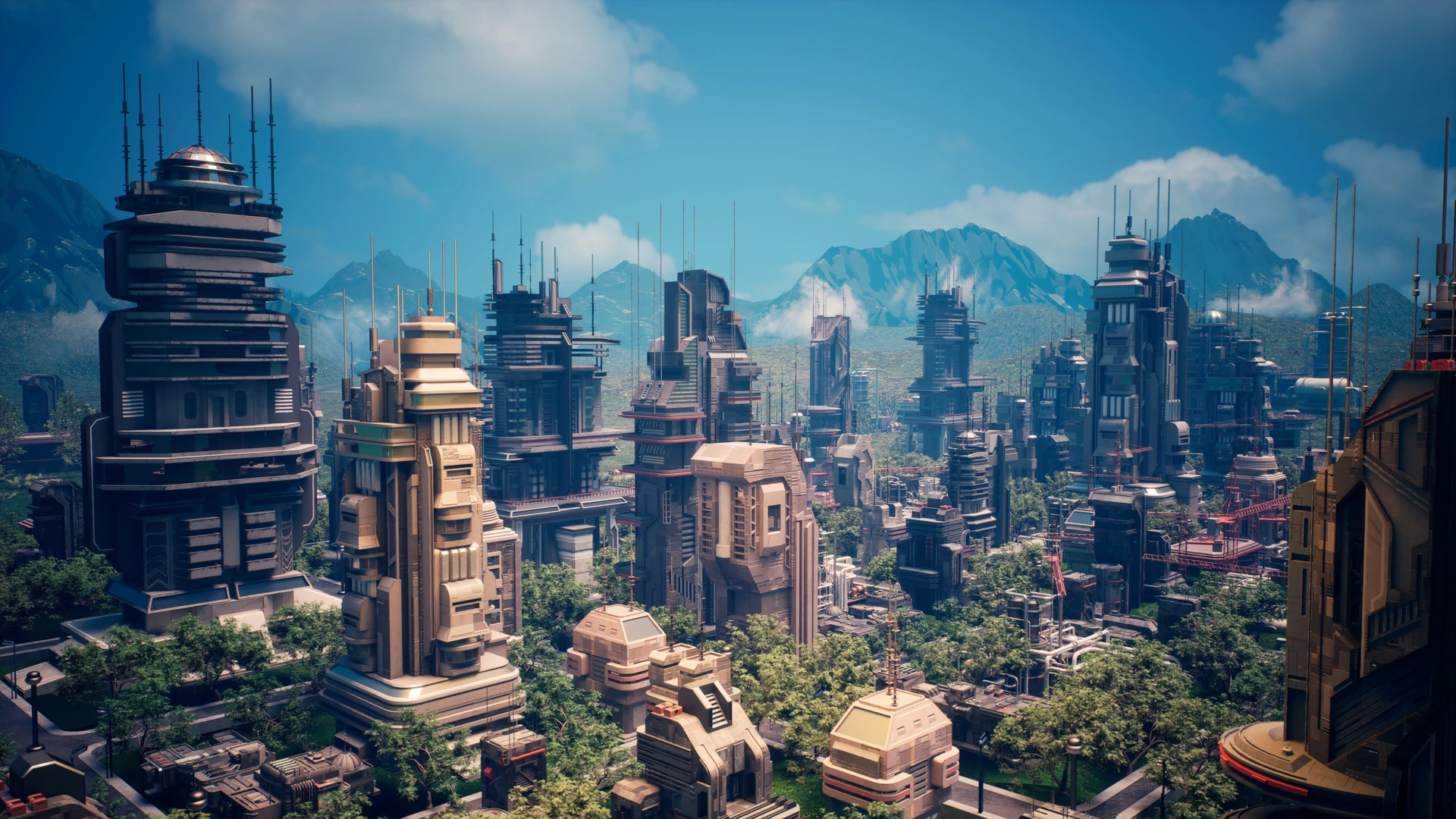
Sci Fi City Scene - Game Art - Juego Studios

Guns of Battle - Juego Studios
The model addresses a cost that AA and AAA productions absorb repeatedly. A concept artist sets the visual language; modelers, riggers, animators, and technical artists each interpret it further before an asset reaches the engine. Handled well in isolation, that same asset can still land noticeably off-model—a stylized character rendered too realistically, a palette that shifts across asset batches, and materials that read correctly in the modeling software but respond differently once shaders and lighting are applied in Unity or Unreal Engine.
The further that drift travels through production, the more it costs to correct, in repeated reviews, rejected asset batches, milestone delays, and additional work for internal art directors.
Where the Visual Direction Gets Lost
Fragmented outsourcing models often divide concept art, modeling, animation, and engine integration among different vendors. Every transfer introduces another interpretation of the original direction, while accountability for the final result becomes distributed across several teams.
The issue is not necessarily a lack of talent. Each vendor may produce high-quality work within its own discipline. The problem is that no single team owns the complete journey from the first concept to the asset running inside the game.
Juego Studios' game art services are built to close that gap. Every discipline from concept through in-engine implementation operates within one production pipeline and under a shared art direction, rather than passing through separate vendors at each stage.
The objective is not simply to place multiple capabilities under one roof. It is to ensure that every discipline works from the same visual source of truth.
Style guides, orthographic references, material callouts, color palettes, scale rules, and technical requirements are established early in production using tools such as Photoshop and Substance Designer for the visual bible itself, then carried through Maya and Houdini for modeling and Substance Painter for texturing, so the reference document and the working files stay in the same toolchain. These documents remain active references throughout the pipeline instead of being treated as instructions that apply only during the concept stage.
When a modeler begins work on an approved design, the decisions behind its proportions, silhouette, materials, and visual hierarchy remain accessible. The same direction follows the asset through texturing, rigging, animation, and engine integration.
Reviewing Continuity at Every Stage
Keeping disciplines within one team does not remove the need for handoffs. It changes how those handoffs are reviewed.
Assets are checked against the approved visual direction as they move from concept to model, from model to texture and rig, and from production software into the engine. These review gates help identify deviations before they affect an entire asset batch.
In-engine review is particularly important. An asset can match its concept and still lose part of its intended appearance once lighting, shaders, LODs, animation, and camera distance are introduced. Treating Unity and Unreal Engine implementation as part of the art pipeline allows these differences to be identified before final delivery.
This also gives the art director visibility across the complete process. Instead of coordinating interpretations among separate studios, the art director can review the same asset as it develops and correct deviations while they are still contained.
The result is a more direct accountability line. The team responsible for interpreting the concept is also responsible for how the asset appears when it is lit, animated, and running in the build.
Maintaining Consistency at Production Scale
Visual continuity becomes harder to maintain as the number of assets, contributors, and releases increases. Juego Studios has applied this integrated model across more than 200 shipped titles while working as both a game development services partner and an art-production vendor for companies including Disney, Sony, Warner Bros. Games, Tencent, Scopely, and Zynga.
The challenge is especially visible in live games. Titles such as Avakin Life, which has crossed 500 million downloads, require a continuous flow of character and cosmetic content. New assets may be produced months or years apart, but they must still appear to belong to the same visual world.
On Avakin Life, that meant delivering new outfit and cosmetic sets on a recurring live-ops schedule without a visible seam between assets shipped at launch and assets shipped years later. Each new character piece was built against the same material callouts and proportion rules established early in the title's run, then reviewed against the existing in-game roster before release, not just against its own concept art. The result is a catalog of cosmetics spanning years of updates that still reads as one consistent art style to players logging in today.
At that scale, late-stage style drift can affect more than one deliverable. A batch that fails in the final render may need to move back through modeling, texturing, rigging, and engine integration. For a live title, the resulting delay can also disrupt a planned content release.
Juego Studios’ AAA game art studio model is designed for this level of production. Characters, environments, animation, UI, VFX, cinematics, and engine-ready assets are developed against a common visual framework and reviewed throughout production rather than only at the point of delivery.
From Vendor Coordination to Production Ownership
As external development becomes a larger part of modern game production, the question is no longer whether individual vendors can create strong concepts, models, or animations. Studios must also consider who is responsible for preserving the visual direction as those elements come together in the game.
A fragmented pipeline relies on coordination to maintain consistency. A unified pipeline treats consistency as a production requirement shared by every discipline.
That distinction becomes most visible in the final build. The real measure of an art pipeline is not whether each asset looks good on its own, but whether the concept, model, animation, materials, lighting, and technical implementation still feel as though they were created for the same world.
For Juego Studios, keeping those stages connected is how visual consistency moves from an aspiration to an accountable part of production.
Rudresha MUNIRAMAIAH
Juego studios
+1 9402185249
email us here
Visit us on social media:
LinkedIn
Instagram
Facebook
YouTube
X
Legal Disclaimer:
EIN Presswire provides this news content "as is" without warranty of any kind. We do not accept any responsibility or liability for the accuracy, content, images, videos, licenses, completeness, legality, or reliability of the information contained in this article. If you have any complaints or copyright issues related to this article, kindly contact the author above.
