

Bringing you the latest news on small business
Provided by AGP
Philippine Solar Leader Solaren Reveals Why Installed Capacity and Usable Power Are Not the Same
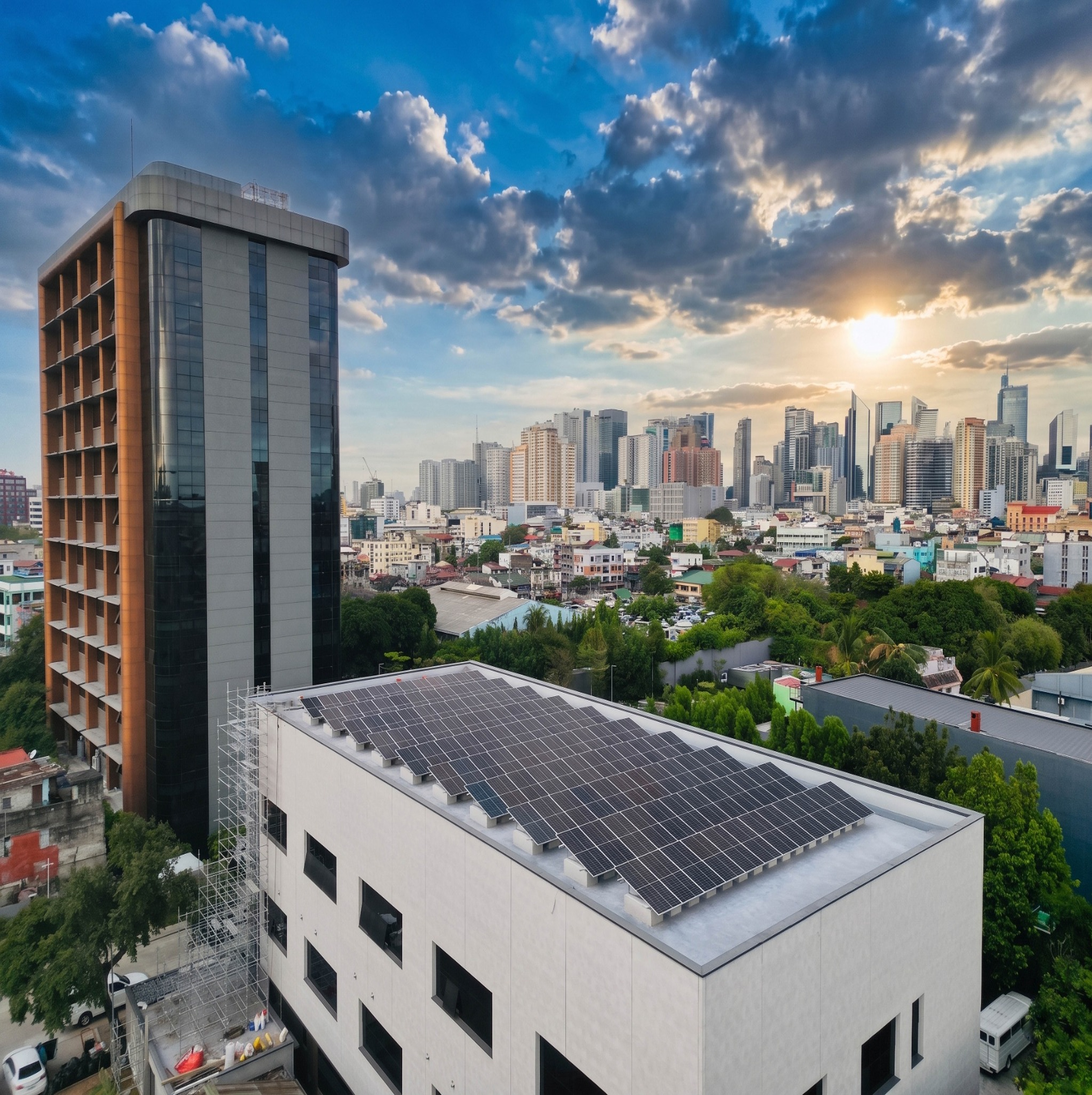
Solar energy system installed at Liwayway Marketing Corporation office, supporting lower electricity costs and improved energy efficiency for business operations.
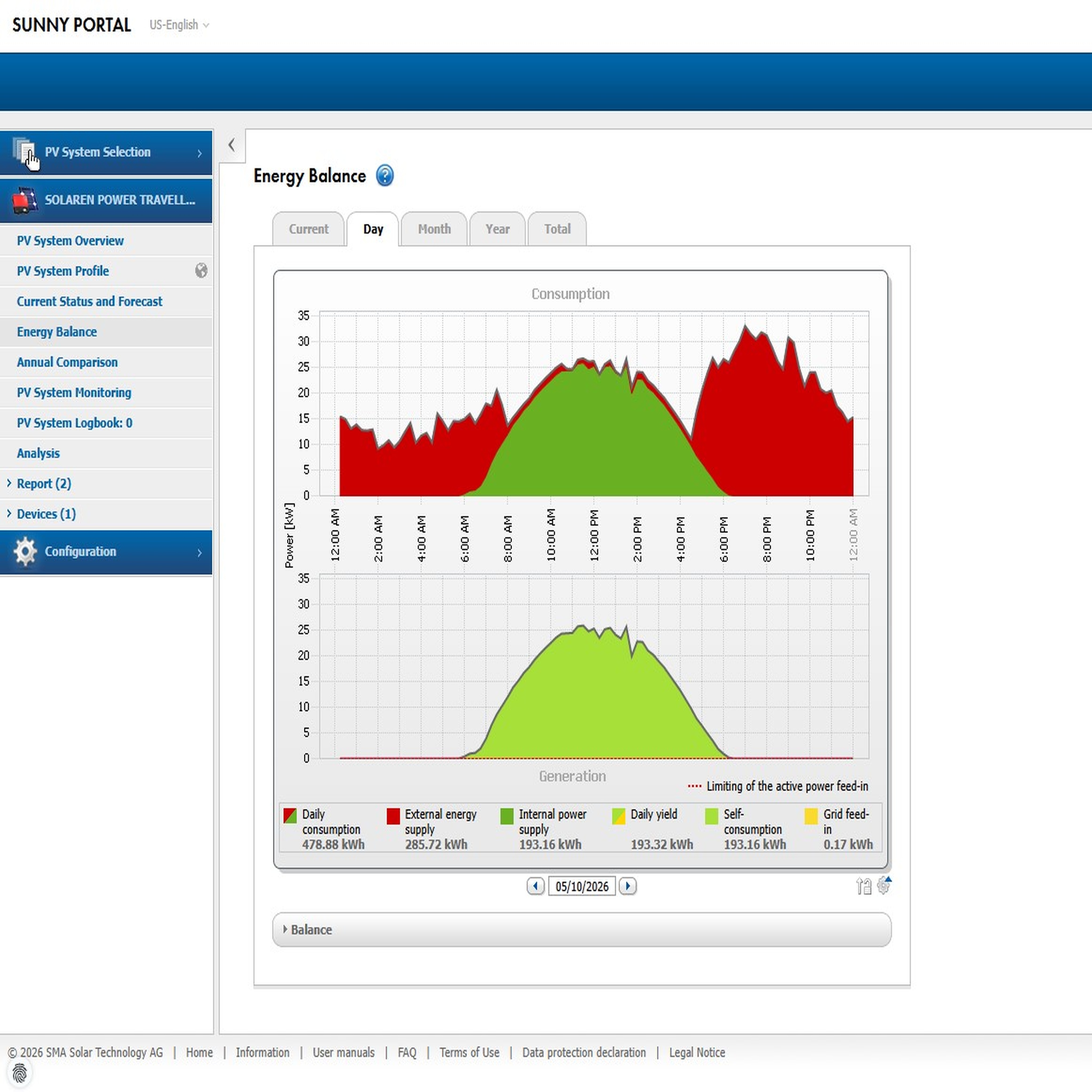
Sunny Portal energy balance monitoring showing solar generation, self-consumption, grid supply, and daily energy consumption for the Solaren Power Traveller system.

Official Solaren Renewable Energy Solutions Corp. Representing a DOE-accredited solar PV installer and PCAB-licensed contractor in the Philippines.
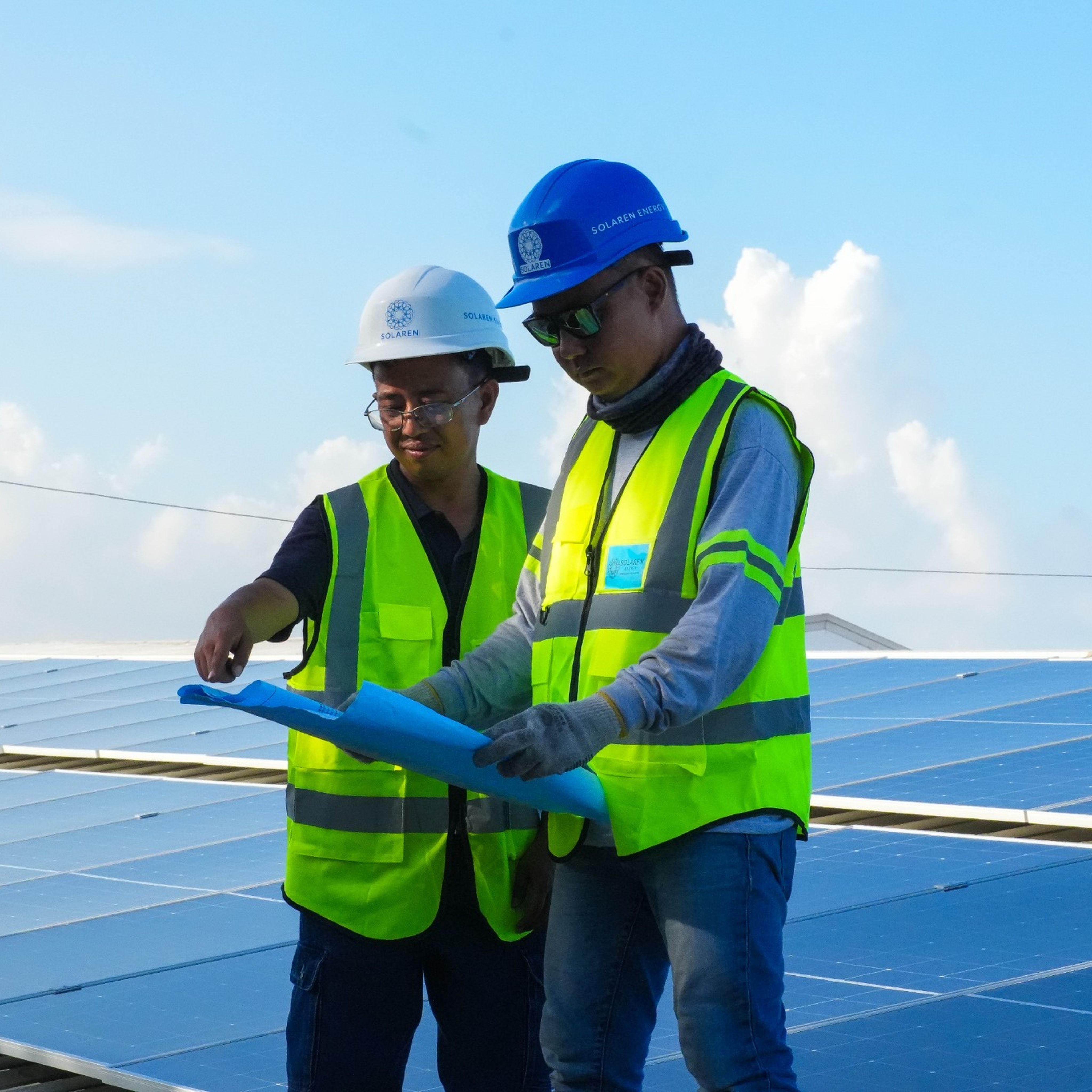
Solar panels on a commercial rooftop project, demonstrating professional workmanship and on-site safety standards.
Solaren Renewable Energy Solutions exposes the hidden derating gap costing commercial and industrial facilities across Southeast Asia.
Installed capacity is what the paperwork says. Usable power is what the business can actually rely on. Closing that gap is where real energy savings begin.”
MANILA, MANILA, PHILIPPINES, May 19, 2026 /EINPresswire.com/ -- Solaren Renewable Energy Solutions Corporation, a DOE-accredited commercial and industrial solar EPC company with over 85 megawatts installed across 2,500 installations in the Philippines, has identified a systemic gap affecting power-intensive businesses across Southeast Asia: the difference between installed electrical capacity and the power a facility can reliably use in real operating conditions.— Neil Pearce, Managing Director
The issue, detailed in a feature published in Entrepreneur India, affects factories, cold storage operators, food manufacturers, and industrial facilities that appear well-supplied on paper but experience persistent operational friction when demand rises. Most commercial sites document transformer ratings, generator capacities, and grid connection approvals. Under ideal conditions, these numbers appear sufficient. During production ramp-ups, load swings, or periods of electrical instability, many of the same facilities encounter limitations that do not appear anywhere in their capacity records.
The gap between theoretical and usable capacity accumulates through several mechanisms. Voltage fluctuations cause motors to draw more current than rated loads would require. Phase imbalances allow transformers to carry loads that do not translate into productive output. Harmonic distortions from non-linear equipment push cables and protection systems to act conservatively before rated limits are reached. Each factor narrows the reliable operating window without touching the documented capacity figure.
This narrowing becomes visible in electricity billing. Many utilities calculate demand charges based on short-duration peaks. A single spike caused by uneven load distribution or a transient voltage event can set the demand benchmark for the entire billing cycle. Businesses then pay for peak conditions they did not sustain and may not have fully understood.
Solaren has observed this pattern repeatedly across its commercial and industrial client base, which includes Toyota, Oishi, McDonald's, and Dunkin'. Facilities that invested in grid-tied solar reduced their energy consumption reliably, but those with dynamic load profiles or poor power factor correction continued to experience demand charge exposure and equipment stress that their solar systems did not address.
The company's position is that addressing the usable power gap requires more than additional generation capacity. Power factor correction, harmonic filtering, accurate load profiling, and battery storage configured for demand management all contribute to closing the gap between what a site has on paper and what it can dependably use.
Solaren Renewable Energy Solutions Corporation is a DOE-accredited, PCAB-licensed solar EPC company headquartered in Tarlac, Philippines. The company has completed over 2,500 commercial and industrial installations totalling more than 85 megawatts, serving clients across manufacturing, food service, retail, logistics, and public infrastructure. Solaren holds the Asian Power Award for Solar Power Project of the Year.
Neil Hamilton Pearce
Solaren Renewable Energy Solutions Corp.
+63 917 879 6037
email us here
Visit us on social media:
Instagram
Facebook
YouTube
Legal Disclaimer:
EIN Presswire provides this news content "as is" without warranty of any kind. We do not accept any responsibility or liability for the accuracy, content, images, videos, licenses, completeness, legality, or reliability of the information contained in this article. If you have any complaints or copyright issues related to this article, kindly contact the author above.
